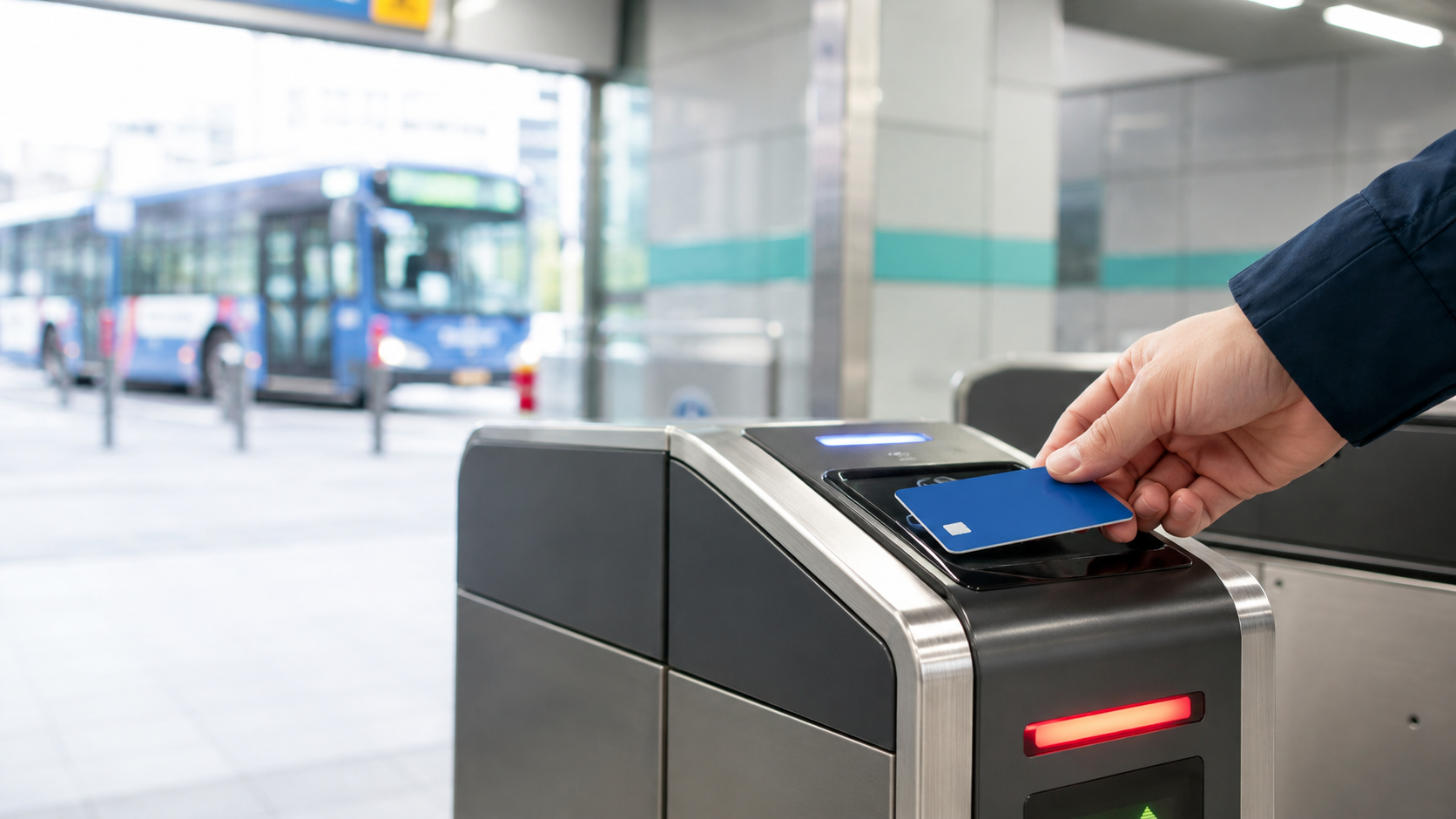
A Korean transportation card makes buses and subways easier because you can tap instead of buying a separate ticket for every ride. Tmoney and EZL are the best-known options, but travelers should understand purchase, top-up, transfers, and refunds before relying on a card.
- Buy one physical card for each traveler.
- Add Korean-won balance separately from the card purchase price.
- Tap when entering and leaving the subway, and when boarding and exiting a bus.
- Use the same card through a transfer sequence.
- Check the remaining balance before your final airport trip.
Where can you use a transportation card?
The Korea Tourism Organization states that Tmoney and EZL cards work on virtually all public transportation in Korea, including subways, city buses, express and intercity buses, taxis, and trains. Acceptance can still depend on the specific operator and purchase method, so confirm unusual or long-distance services separately.
The cards can also be accepted at affiliated convenience stores, cafés, vending machines, and other locations displaying the relevant logo.
Where to buy and top up
Physical cards are commonly sold at convenience stores and transportation facilities. Ask for a transportation card, then add the amount you expect to use. Card purchase price and stored travel balance are separate.
Do not assume a foreign bank card can be used for every top-up method. Carry some Korean won until you have confirmed how the machine or store accepts payment.
How to tap correctly
- Use one card per traveler.
- Tap when entering a subway gate or boarding a bus.
- Tap again when leaving the subway or getting off the bus.
- Keep the same card for connected journeys to receive any applicable transfer treatment.
On a bus, press the stop button before your destination and tap as you exit. Failure to tap out can affect the fare or a later transfer.
Transfer discounts
Official tourism guidance notes that transportation cards can provide transfer discounts between buses and subways within a defined time window. The exact rule depends on the region, transport system, time, and travel pattern. Use the same card for the entire transfer sequence.
Physical card or mobile card?
A physical card is usually the simplest choice for a short-term international visitor. Mobile transportation card services depend on the phone, operating system, account, payment setup, and service eligibility. Confirm compatibility before deciding not to carry a physical card.
Balance and refunds
Check your remaining balance before the final airport trip. Refund locations, fees, and limits depend on the card and amount. A small remaining balance may also be used at an affiliated store where the card is accepted.
Common problems
- Several contactless cards are stored together and the reader detects the wrong one.
- The traveler forgets to tap when leaving a bus.
- The remaining balance is too low for the next trip.
- One card is passed between several travelers.
- A foreign-issued contactless credit card is assumed to work as a normal Korean transit card.
Frequently asked questions
Can two travelers share one transportation card?
Use one card per traveler. Separate cards make entry, exit, transfers, and remaining-balance checks much simpler.
Can I top up with a foreign credit card?
Do not assume every machine or convenience store accepts a foreign card for top-ups. Keep some Korean won available until you confirm the accepted method.
What happens if I forget to tap off a bus?
The fare or a later transfer can be affected. Use the same card and remember to tap when exiting, even when another ride is not planned immediately.
Related Korea guides
Official sources
VISITKOREA: Transportation Cards
VISITKOREA: City Bus
VISITKOREA: Subway
Reviewed on September 27, 2026. Fares, refund rules, compatible services, and top-up methods can change.